Inside Sigma’s Vision: LensVid Interviews CEO Kazuto Yamaki at IBC 2025

Lensvid sat down with Sigma CEO Kazuto Yamaki — here are a few key takeaways:

1. 2025 Lens Lineup

  • Nine new autofocus lenses: 200mm f/2, 12mm, 17–40mm, 300–600mm, 135mm f/1.4, 20–200mm, plus two cine zooms (28–105mm, 28–45mm).
  • Small, motivated R&D team of photographer-engineers; long tenures enable efficient development.
  • Market is saturated; innovation is essential for adoption and survival.

2. 135mm f/1.4 Highlights

  • First 135mm f/1.4 AF lens on the market, about 1.4 kg.
  • Challenge: top optical quality while keeping size and weight reasonable.
  • No optical stabilization; relies on camera IBIS which performs well up to ~150–180mm.

3. 20–200mm Zoom

  • Versatile travel range starting at a very wide 20mm; addresses users accustomed to smartphone wide angles.
  • Aim: high optical quality with useful close-focus at some focal lengths.

4. Cine Lenses (Autofocus)

  • Two AF cine zooms (28–105mm and 28–45mm) inaugurate a mirrorless-focused cine line.
  • No immediate plan for cine primes, but strong customer interest may influence future development.
  • May reuse still-lens optics if they satisfy video needs (e.g., minimal focus breathing).

5. AI and Industry Outlook

  • Current AI termed “baby AI”; role will grow but creativity remains human-led.
  • AI creates from existing data; truly new, innovative work still requires human creators and real cameras.

Key Takeaway: Sigma is aggressively innovating with passionate engineers, launching bold optics while keeping human creativity at the core.

Amazon US Prime Day ends tonight — don’t miss these fresh deals from Adobe, Nextorage, Lexar and more!

Amazon Prime deals will end on midnight at Amazon US and Amazon Canada. in EU at Amazon DE, Amazon UK, Amazon FR, Amazon IT, Amazon ES, Amazon NL, Amazon SWE, Amazon PL. In Asia/Oceania at Amazon Australia.

Additional deals not mentioned before:

General pages you have to check out:

Selected list of hot deals:

The Amazon US Prime Deals are now live! Save big on L-mount cameras and on a ton of accessories and storage!

Amazon Prime deals now live at Amazon US and Amazon Canada. in EU at Amazon DE, Amazon UK, Amazon FR, Amazon IT, Amazon ES, Amazon NL, Amazon SWE, Amazon PL. In Asia/Oceania at Amazon Australia.

General pages you have to check out:

Selected list of hot deals:

LUMIX Camera Buying Guide 2025 by Kensei Akatsu | S1RII/S5IIX/S9/GH7

Kensei’s latest video dives deep into Panasonic’s Lumix lineup for 2025, comparing the top models and helping creators choose the right tool for their needs. From flagship full-frame beasts to compact creative cameras, here’s the breakdown.

Lumix S1RII – The Image Quality King
The Lumix S1RII stands out with its 44MP full-frame sensor, 8K recording, 6K internal RAW, and class-leading autofocus and stabilization. Its stunning color science and detail make it perfect for high-end commercial and cinematic work. The major drawback is overheating, especially in hot climates, which limits long recording sessions.

Lumix S1II – Speed over Resolution
The Lumix S1II is close to the S1RII in design but prioritizes shooting speed. It’s a high-speed camera ideal for action, but still delivers excellent image quality.

Lumix GH7 – The Reliability Champion
The Lumix GH7 is a Micro Four Thirds powerhouse with 5.8K recording, 4K 120fps, and internal ProRes RAW. While its low-light performance and bokeh can’t match full-frame, its durability and resistance to overheating make it the most dependable choice for documentary, travel, and long-form YouTube work.

Lumix S5II / S5IIX – The All-Rounders
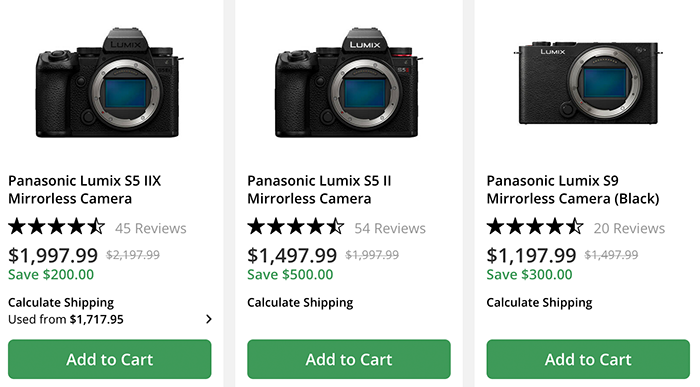
The Lumix S5II and Lumix S5IIX are well-balanced full-frame hybrids offering up to 6K open-gate recording, strong stabilization, and solid autofocus. The S5IIX adds external RAW recording and is highly resistant to overheating, making it ideal for YouTube and professional videography. Kensei calls the S5IIX the best hybrid of quality and reliability for most creators.

Lumix S9 – Compact Creativity
The Lumix S9 is a smaller, lighter take on the S5II, aimed at travel and lifestyle creators. It keeps pro-level features like 6K open gate and 4K 60p but sacrifices some physical controls for portability. It’s perfect for social media content and casual shooting, but not designed for long continuous recording.

Tripod Recommendation
Kensei also highlights the Yulanji Glide Go video tripod, a lightweight carbon-fiber travel tripod with dual panoramic design, smooth pan/slide moves, and high flexibility. He stresses the importance of a reliable tripod for video work.

Best Picks by Category

  • Best Image Quality: Lumix S1RII – unmatched detail and color, but beware of overheating.
  • Most Reliable: Lumix GH7 – great for long shoots in any condition.
  • Best Hybrid (Quality + Reliability): Lumix S5IIX.
  • Best for Social Media: Lumix S9.
  • Best Speed Shooter: Lumix S1II.

Conclusion
For most people starting their Lumix journey, the Lumix S5IIX is both the perfect starting point and potentially the endgame camera. Those who value compactness may opt for the Lumix S9, while professionals chasing ultimate image quality can step up to the Lumix S1RII. Each model serves a different purpose, but knowing your needs is the key to picking the right Lumix.

Fujifilm Recipes vs. Lumix LUTs – Why One Photographer Switched

Fujifilm Recipes vs. Lumix LUTs – Why One Photographer SwitchedNorthern Ireland–based photographer and videographer Ross has worked with cameras from Canon, Blackmagic, Fujifilm X-H2S, and Panasonic Lumix. His recent shift in workflow toward Lumix gear reveals a lot about the flexibility of Panasonic’s LUT system compared to Fujifilm’s film simulation recipes.Ross began his career shooting weddings on the Canon 5D Mark III, later experimenting with a Blackmagic camera for video, then moving to the Canon R6. After overheating issues with the R6, he adopted the Fujifilm X-H2S for two years, loving it for video but missing the full-frame look for photography.

That’s when the Lumix S5IIX entered the picture. Ross admits his purchase was partly for the all-black design, but the camera quickly impressed with its full-frame quality, superb stabilization, and equally strong performance in photo and video. The smaller Lumix S9 soon became his everyday camera, and the Lumix S1II replaced the S5IIX for bigger professional jobs.

For Ross, the main difference between Fujifilm and Lumix comes down to color workflow. Fujifilm’s recipes are tied to fixed film simulations like Classic Chrome or Provia. Within each, you can adjust contrast, saturation, white balance shift, and a few other parameters—but you can’t go beyond the inherent limits of that simulation. Want to push blues into the shadows or tint highlights toward green? You can’t, unless you edit after shooting.

With Lumix, Ross can load any custom LUT into his camera—whether it’s his own creation or a downloaded file—and immediately use it for stills and video. The possibilities are endless: replicate Fujifilm colors, create cinematic tones, or design something entirely unique. Even better, Lumix cameras offer an in-camera opacity slider for LUTs, allowing fine control over how strong the effect is applied—something Fujifilm cannot match.

Ross has even developed “Fujifilm Fake” LUTs for Lumix, designed to mimic film simulations like Classic Chrome so closely that side-by-side shots are nearly indistinguishable. His process is trial-and-error: shooting the same subject with both cameras, comparing in Lightroom, and adjusting the Lumix file until the match is close enough.

Beyond creative flexibility, Ross also appreciates Lumix’s workflow tools. Shooting RAW+JPEG lets him use in-camera RAW processing to tweak white balance, exposure, or even swap LUTs before sending images to his phone via the Lumix Lab app. For wedding work, he can process select images during dinner and deliver them to clients the next day without touching a computer.

Gear mentioned in Ross’s setup

Takeaway

Fujifilm recipes remain fun and can produce great results, but Lumix LUTs offer more creative freedom, better control, and faster workflows. For professionals who want both full-frame performance and limitless color possibilities, the Lumix system is hard to beat.