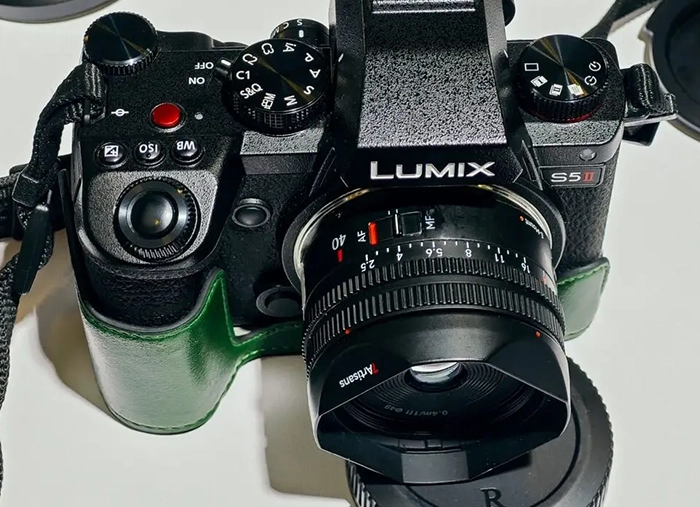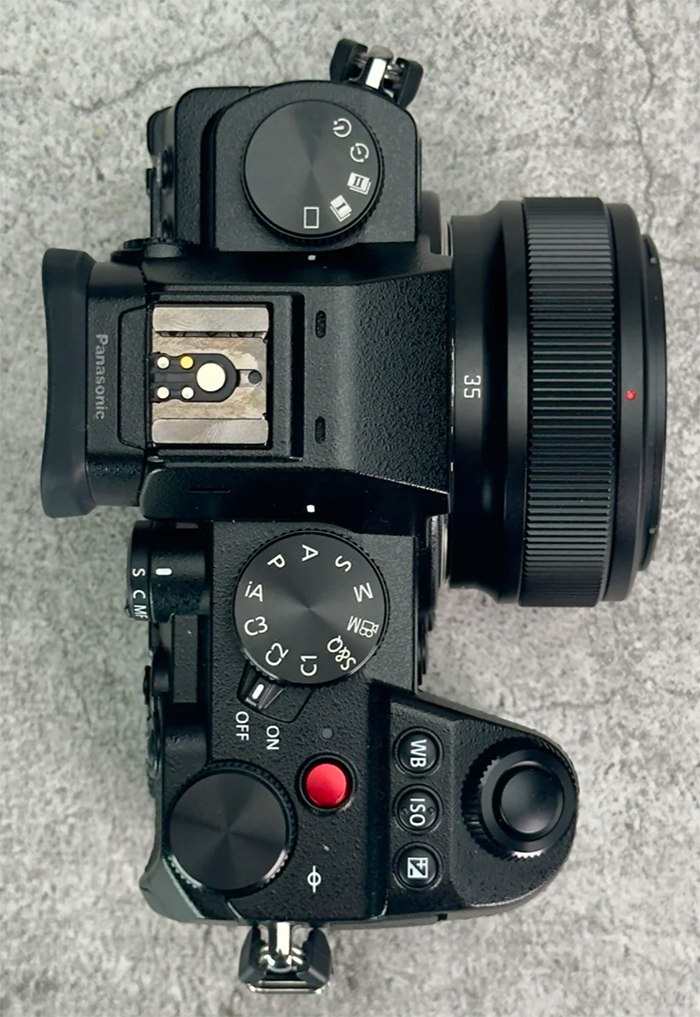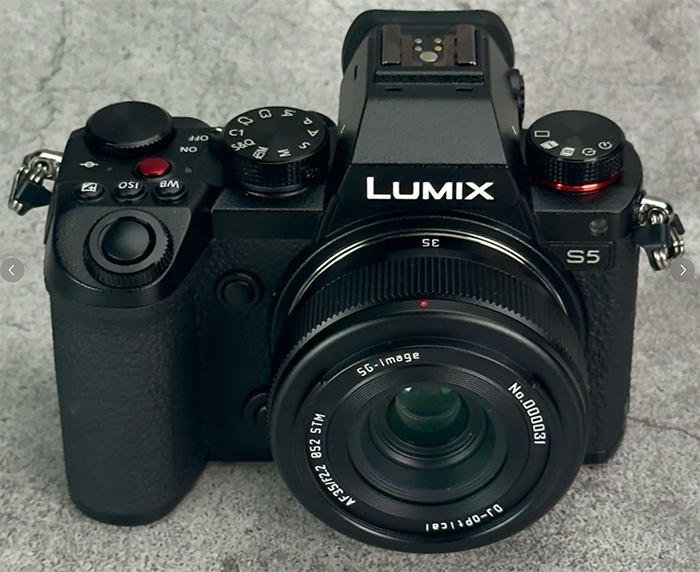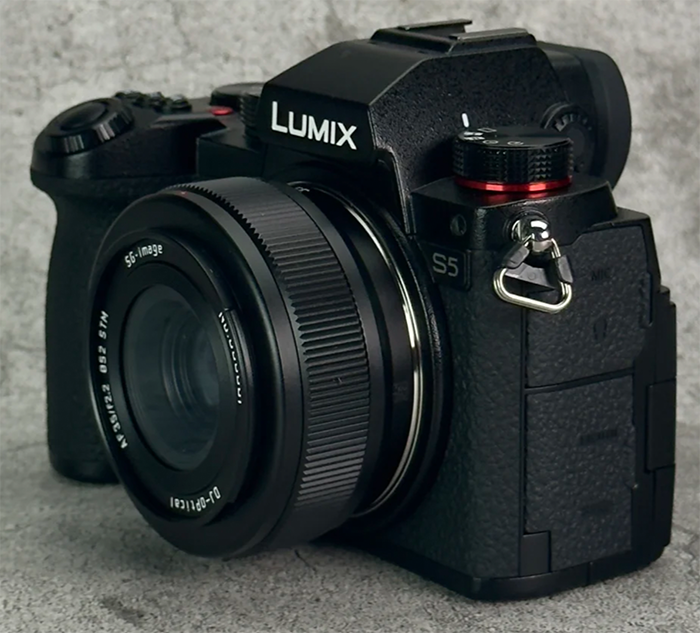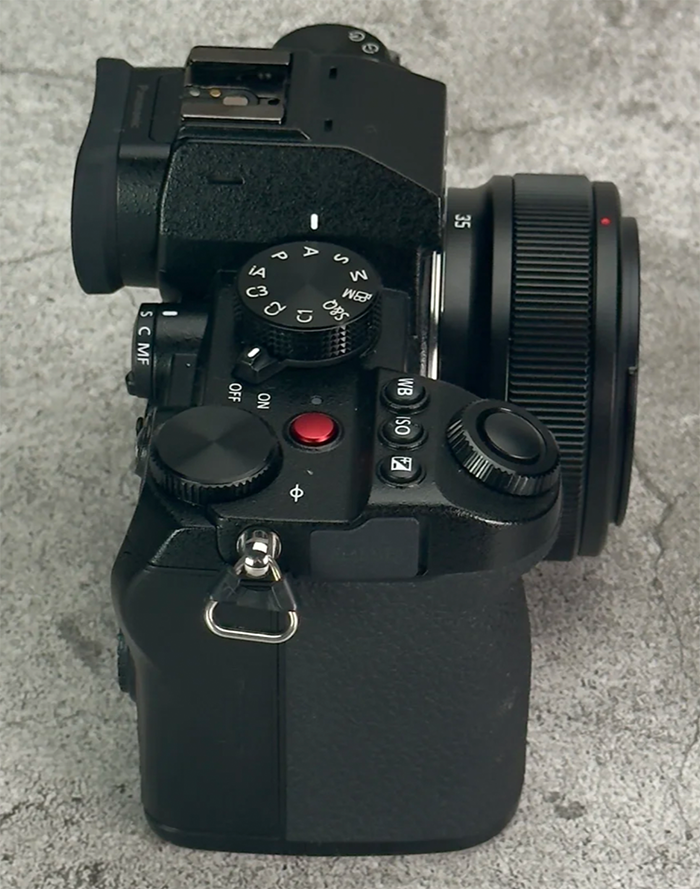
SG.image 35mm f/2.2 L-mount pancake lens will be released before Spring!

SG-image announced the pricing and shipment time for the new 35mm f/2.2 Full Frame Autofocus lens:

  • Black: 699 yuan (around $100)
  • Silver: 749 yuan (around $110)
  • Weight: 163 g
  • Sony E-mount & Nikon Z-mount: Officially on sale January 31 (lenses released earlier this year all use the classic engraved exterior)
  • L-mount: Still in progress, aiming to launch before Spring

This one is made for agility and lightness and for little bit more than $100 this could be a perfect match for the Sigma BF and Lumix S9!

Dpreview: What we expect to see from Panasonic

Dpreview expects this from Panasonic:

Panasonic – What we expect to see

Given how well the S1II’s sensor performs for video, it feels inevitable that Panasonic will release some sort of video camera based around it. That could take the form of a Nikon ZR or Sony ZV-E1 competitor, focused on vlogging and ease of use, or it could be something more akin to the Canon EOS C50 or Sony FX3, with a cinema-style body that has even more cooling and is covered in attachment points.

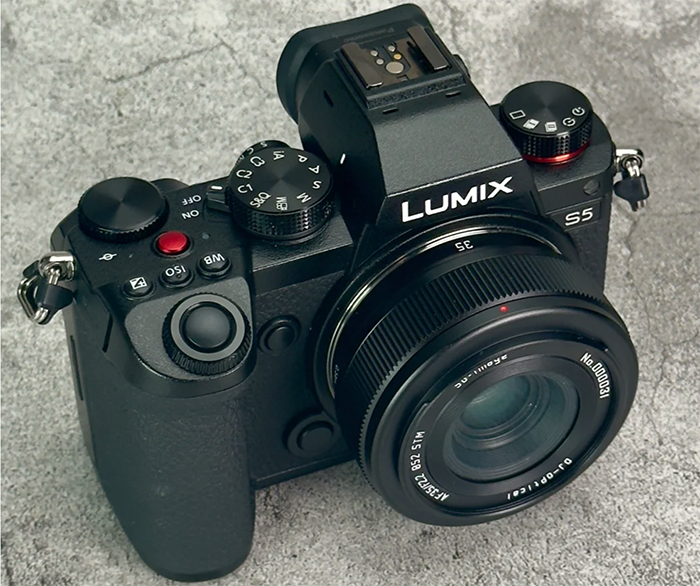
Beyond that, it’s hard to predict what Panasonic might do next, given that it just updated pretty much all of its high-end, full frame cameras. It still seems a bit early to expect an update to the S5 series… if indeed the company plans on continuing that line at all, instead of replacing it with the S1IIE. Panasonic is another one where the only thing we really expect is the unexpected, be that a new camera or a feature-packed firmware update.

Panasonic – What we’d like to see

We said it last year, and we’ll say it again: we’d love to see a new enthusiast compact from Panasonic, potentially as a continuation of the LX100 series. Though, like with Canon and Sony, it seems like companies have a lot of momentum in just letting the compact market ride.

Similarly, we’d also be excited if Panasonic were to come out with a new GM or GX camera; the market is sorely missing a truly compact Micro Four Thirds option that plays into the mount’s greatest strength: its collection of solid, compact lenses. Is Panasonic invested enough in the system to do that? We’re not sure, and the fact that they repurposed a full frame body for the G9 II gives us extra pause, but that doesn’t keep us from hoping.

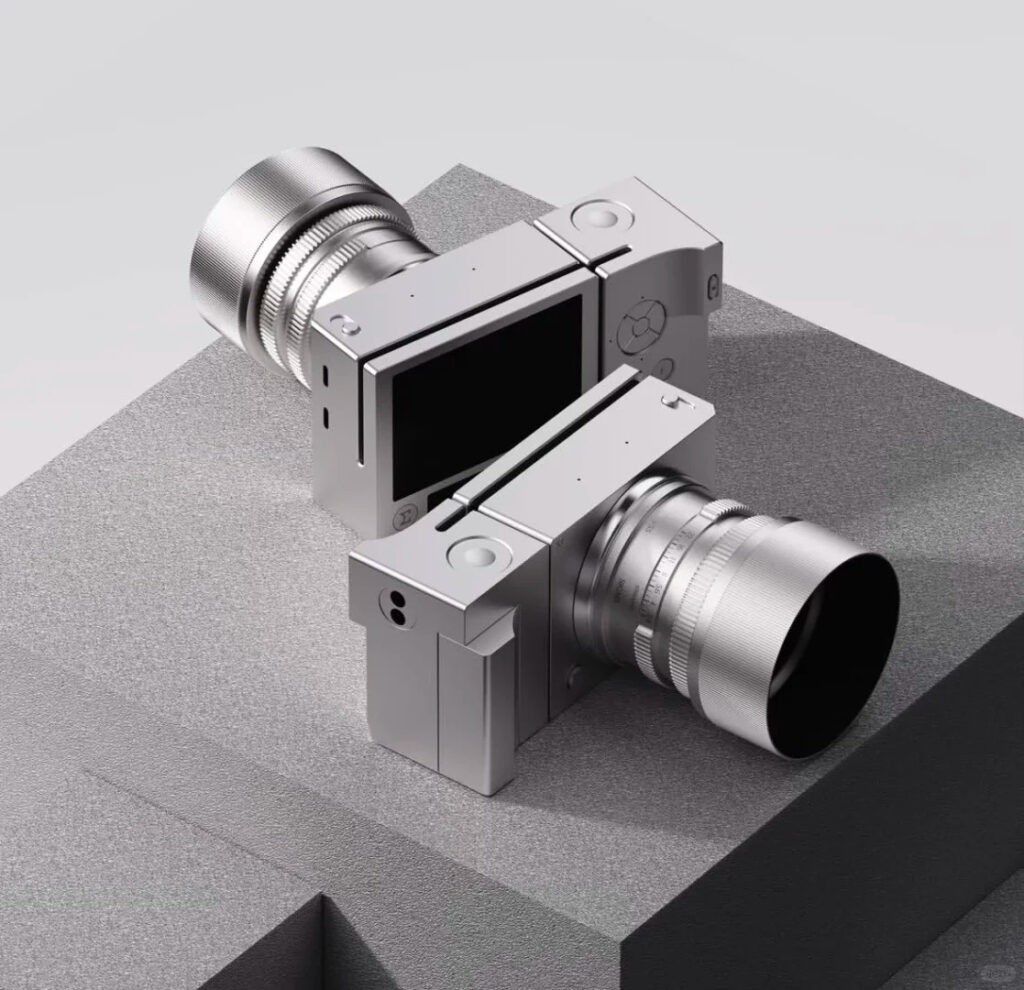
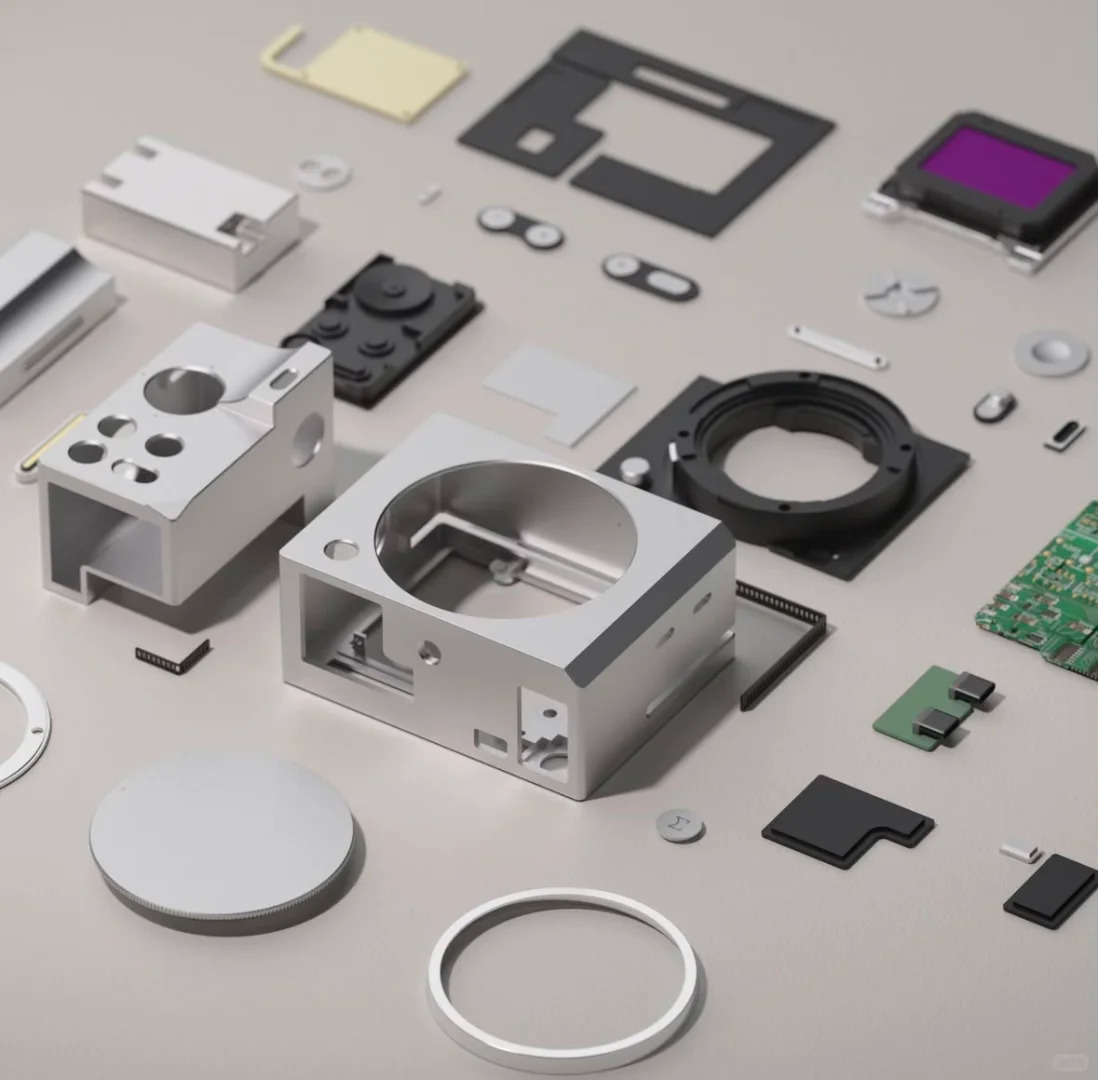
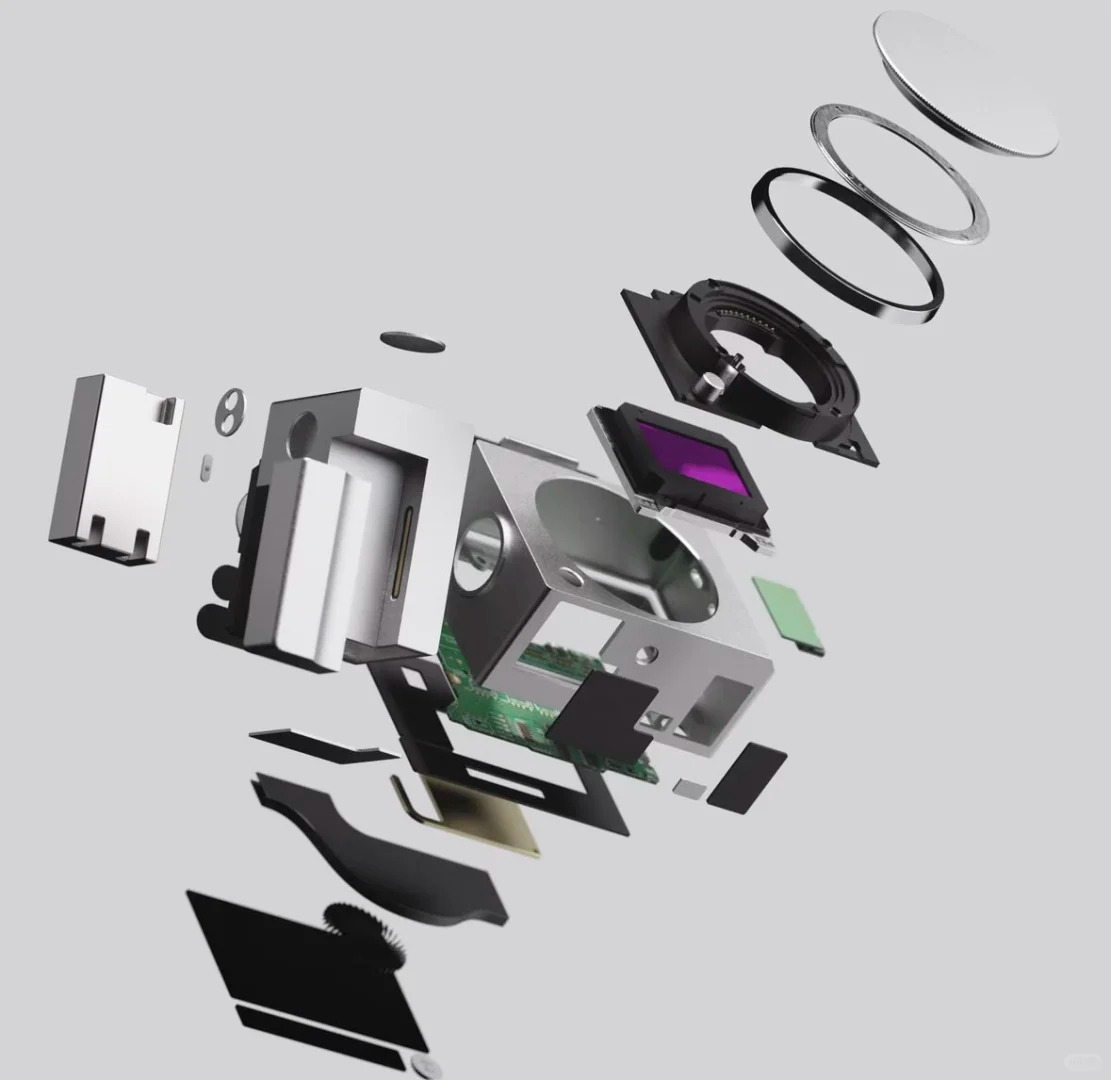
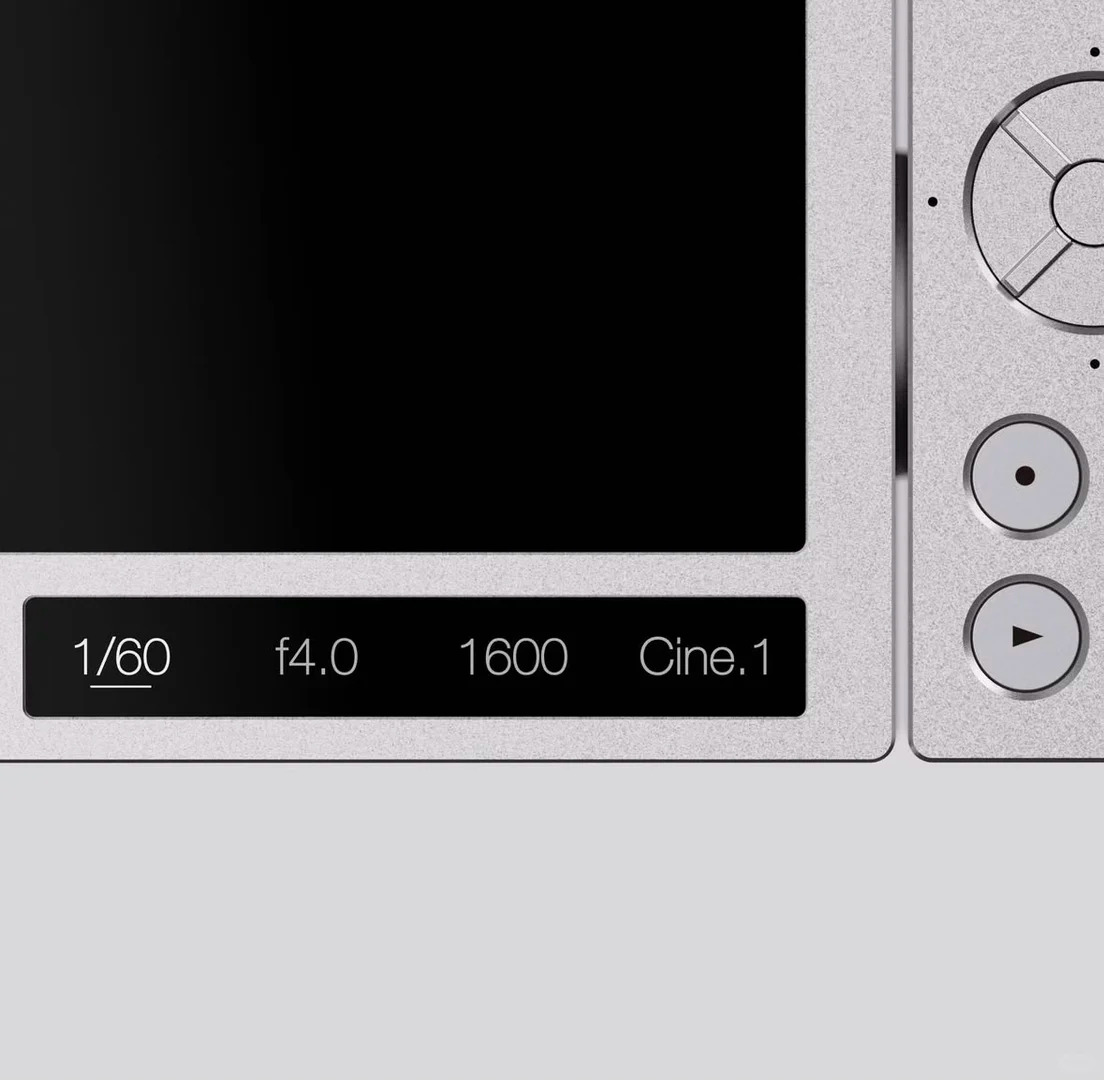
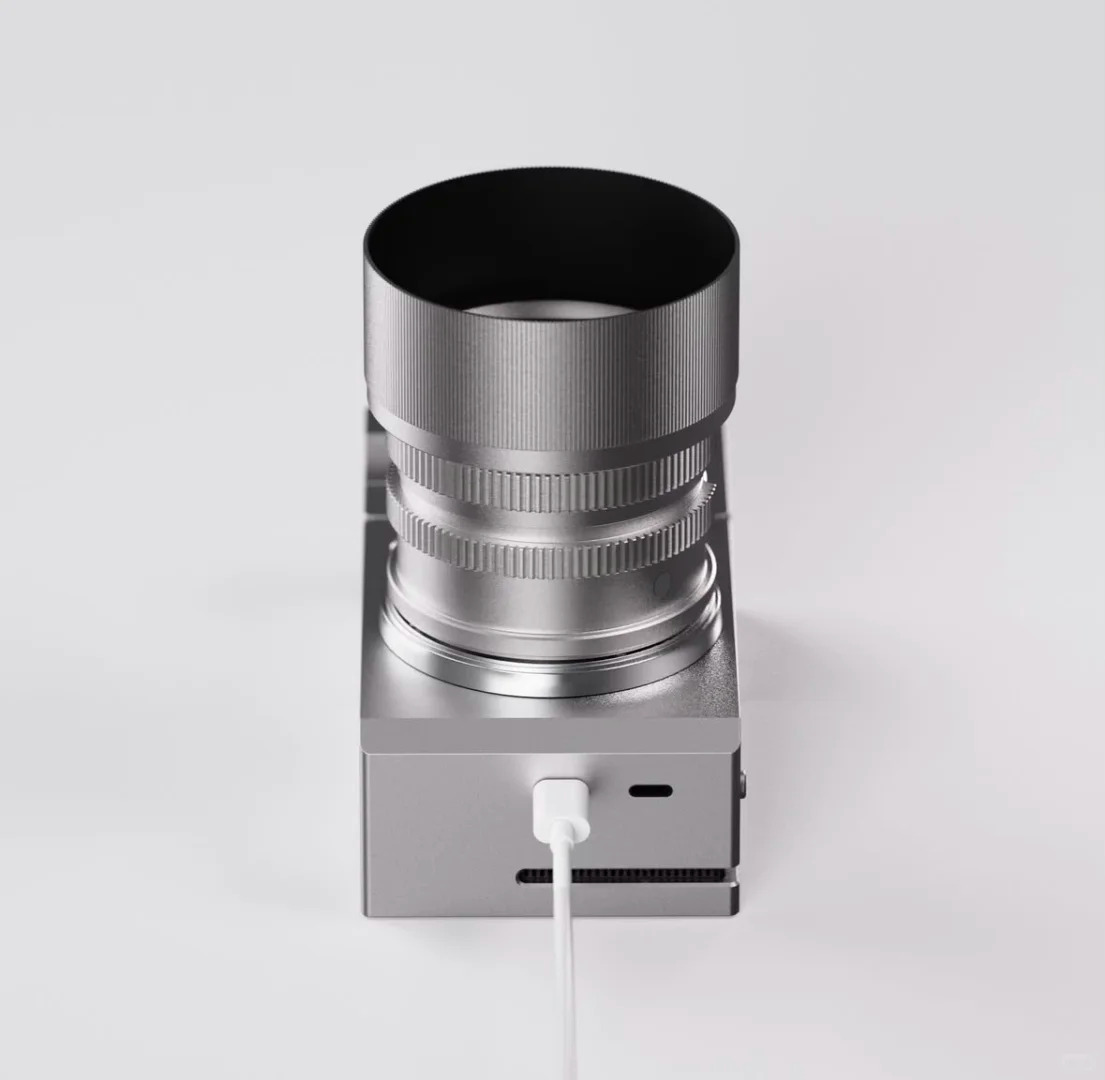
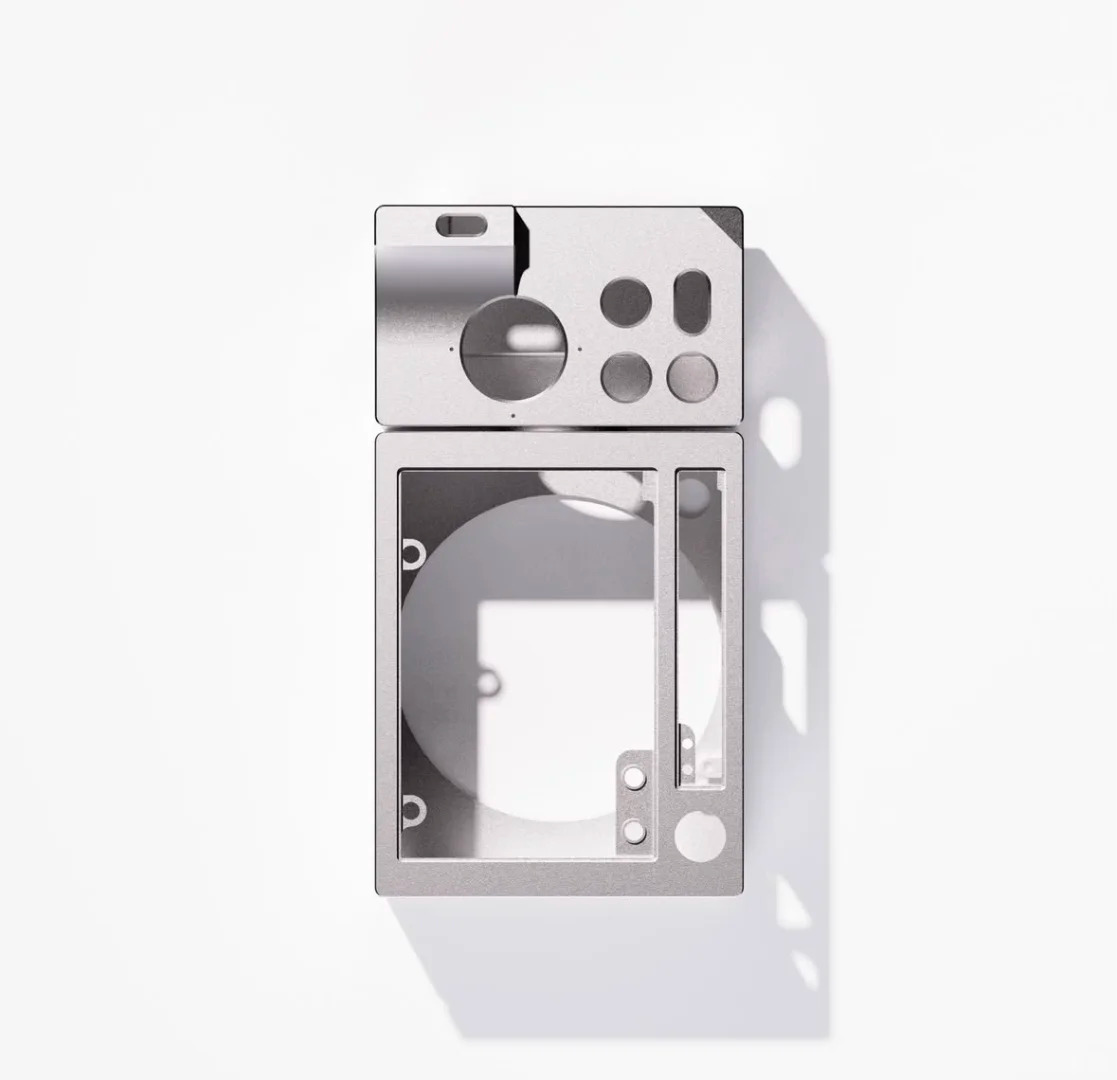
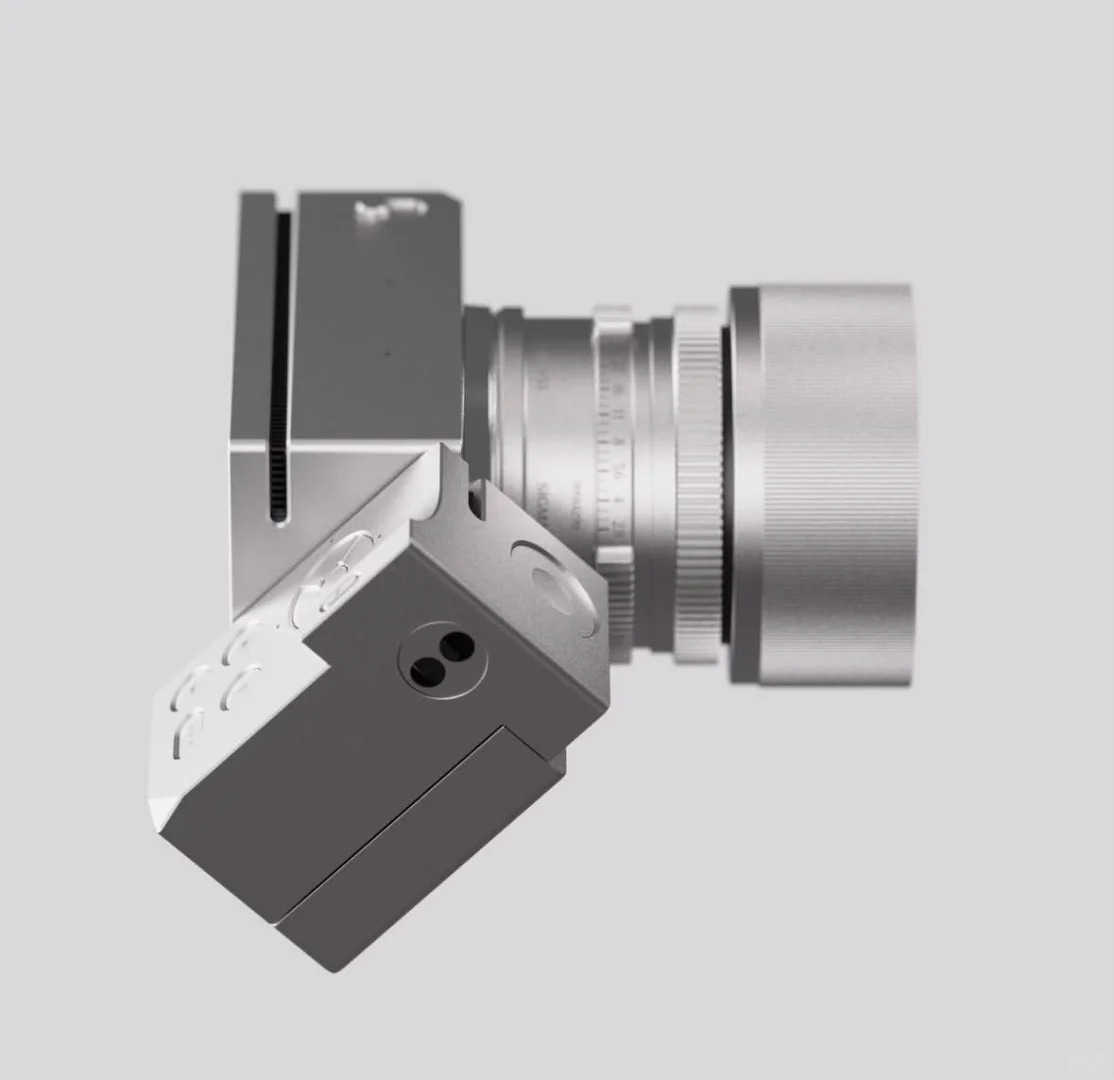
This is the Sigma XF camera and it does NOT exist yet :)

A Rednote member posted these renderings of a new Sigma XF and wrote:

The SIGMA Xf is a versatile camera that combines the features of the Sigma fp and Sigma bf series, with an innovative rotary handle providing intuitive angle adjustments. Sigma Xf by @klay.jd

Don’t really know what to think about this…looks a bit over engineered. The slit on top might be useful for cooling and allow the camera to have IBIS. So it might not be a bad idea. But the rotary system is never going to happen 🙂

P.S.: For me the next Sigma BF should have an integrated EVF…that’s all 🙂

L-mount news roundup


Lumix S9 – 10 Frequently Asked Questions for New Shooters

Today deals at Amazon, BHphoto, Adorama, Amazon DE, Amazon UK, Amazon FR, Amazon IT, FotoErhardt DE, FotoKoch DE.
LUMIX S1II Overheating Tests in Aussie Summer (Geeky Nerdy Tech).
Honest Thoughts of the LUMIX S1ii After 6 Months (Matthew Dangyou)
Top Creator Accessories of 2025 (Explora)
Using Nature Photography as a Break in a Busy World (42West)

Share rumors here:  this contact box, Signal, Telegram, or contact me via lrumorscameras@gmail.com. Thanks!
Subscribe our social networks here: Facebook page, X.com.

Panasonic Lumix S 26mm f/8 Pancake Review: Tiny, Tricky, and Surprisingly Fun

Geeky Nerdy Tech dared to review the worst lens ever made for the L-mount system, the Lumix S 26mm f/8 (BHphoto, Amazon, Adorama).

He thinks that despite its limits, the lens is fun. With EVF plus focus peaking, it delivered simple but sharp landscapes and vibrant 4K60 clips. The small form factor and fixed f/8 encourage a “mostly everything in focus” style, especially in good light.

Bottom line

The Lumix S 26mm f/8 pancake is a niche tool: tiny, inexpensive, and surprisingly sharp when you hit focus—but hampered by manual-only operation, a finicky infinity position, noticeable breathing, and limited light-gathering. Treat it as a fun, lightweight companion for bright days and casual vlogging, not as your primary lens.

Aiarty Image Enhancer Adds TIFF/DNG Export, Color Restoration, and a Beta AI Eraser

Aiarty Image Enhancer has received practical updates for photographers and editors working with large files, older images, or challenging lighting. The latest version includes TIFF/DNG export, more controlled color restoration, and a new AI Eraser for object removal (Beta).

Rather than trying to replace full photo editors, Aiarty Image Enhancer works as an offline utility you can use alongside your existing workflow—for quick cleanup, restoring old photos, refining high-resolution images, improving overall clarity, or preparing files for print.

Upgrade & Availability: Existing users can upgrade for free. For those who prefer to own it outright, a lifetime license is available, currently 49% off, plus an extra $5 off with coupon NYSPECIAL at checkout (valid until Jan. 31). It covers up to three devices and includes all future updates. Learn more here.
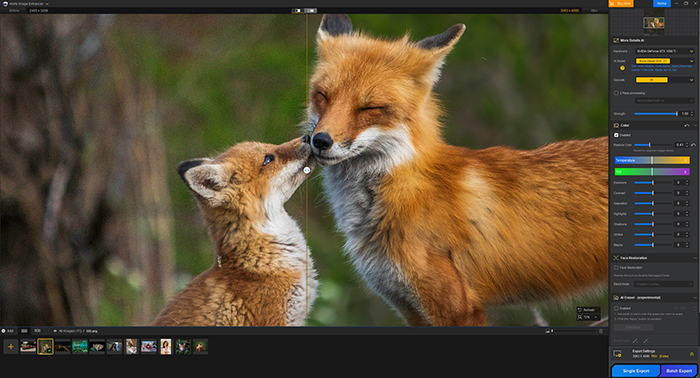
What’s New in Aiarty Image Enhancer

1. TIFF & DNG Export for Flexible Workflows
You can now export enhanced images as TIFF or DNG, which is ideal for higher bit depth, better dynamic range, and smoother handoff to post-processing tools. Aiarty lets you set DPI based on output:

  • 72–96 DPI – Web use, social media, digital publishing
  • 150–300 DPI – Standard prints (magazines, posters, brochures)
  • 500+ DPI – Large-format or fine-art prints

This makes it easier to prepare files for print or heavy editing, instead of relying solely on JPEG exports.
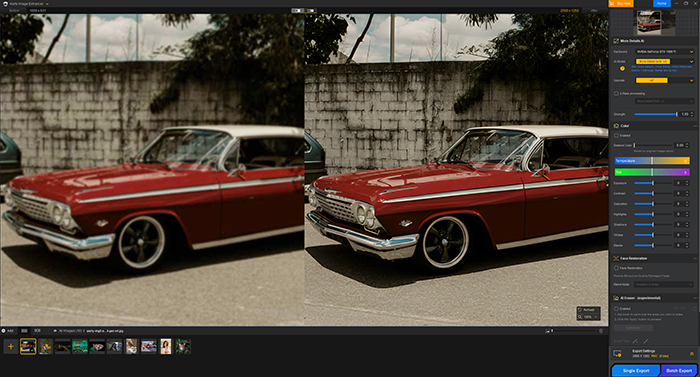
2. More Controlled Color Restoration

Alongside quick color enhancement tools, Aiarty now allows you to dial results back toward the original color profile using a slider. This helps keep restored or enhanced images looking natural—especially useful for old photos or faded scans.
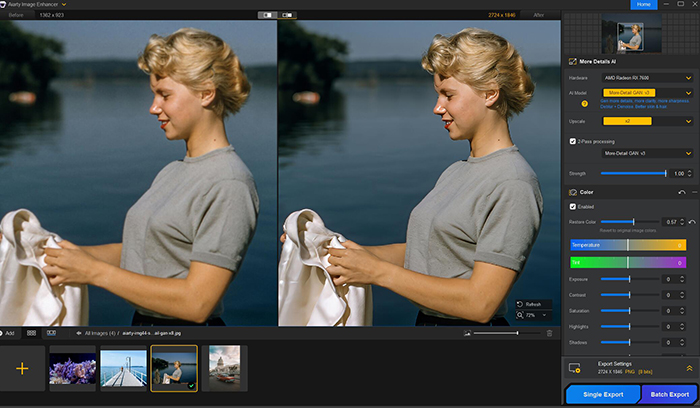
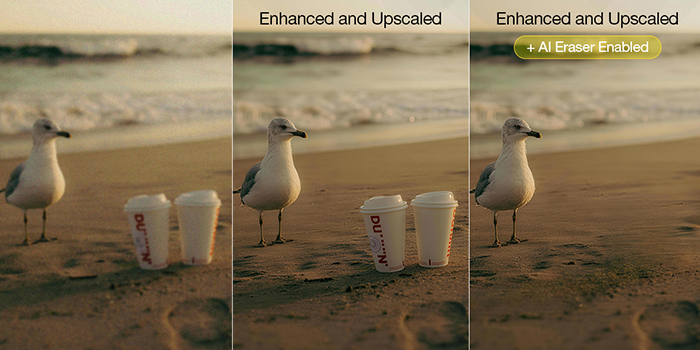
3. AI Eraser (Beta): Removing Unwanted Objects in Photos

The AI Eraser removes unwanted objects and reconstructs backgrounds, blending erased areas naturally with surrounding textures. The AI models download locally on first use, and erasing is generally fast afterward.
It works well for:

  • Clutter like photobombers, vehicles, or buildings
  • Text, signs, or icons on simple textures
  • Background distractions such as wires or fences in moderately complex scenes

As a beta feature, it performs best on simpler, consistent backgrounds, and Aiarty plans ongoing updates to handle more complex edits. This makes quick cleanup easier without replacing your main editing workflow.


Where Aiarty Image Enhancer Fits In
Aiarty Image Enhancer isn’t trying to replace full photo editors or RAW processors. Instead, it works well as a support tool for common tasks:

Because it runs offline, it can be useful in environments where internet access or subscription software is not ideal.
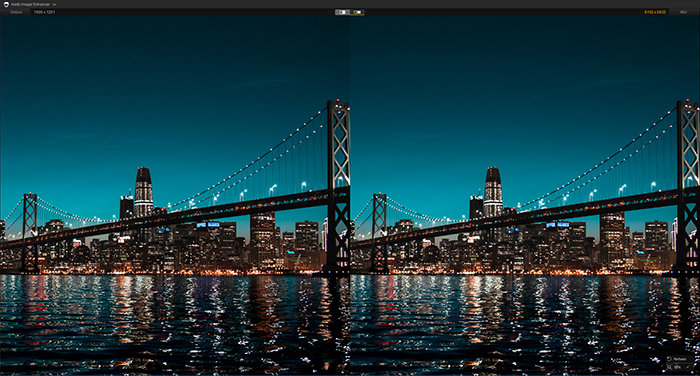
Licensing & Last-Minute Holiday Deal

  • Existing users with a valid Aiarty Image Enhancer license can upgrade for free
  • New users can currently save 49% on the lifetime license, with an additional $5 off using coupon code NYSPECIAL
  • The offer is valid until January 31
  • The lifetime license covers up to three devices and includes future updates.

Final Thoughts
Aiarty Image Enhancer focuses on making everyday image enhancement faster and more straightforward. From restoring old photos and improving low-light shots to preparing files for print, it’s a practical addition to an existing workflow rather than a replacement for full-featured editors.

For photographers who prefer owning their software outright and working offline, it may be a useful tool to have on hand. Learn more about Aiarty Image Enhancer.